Mom You Are the Berry Best: A Designer's Review
As someone who spends more time at the hoop than away from it, I know that not every cute graphic translates well into thread. When I first pulled up the Mom You Are the Berry Best Mother s Day design file on my screen, my initial reaction was one of cautious optimism. We see a lot of pun-based holiday graphics flooding the market, but few are engineered with the specific constraints of machine embroidery in mind. This isn't just a flat image; it is a potential finished product waiting to happen, provided the digitizing holds up under the needle.
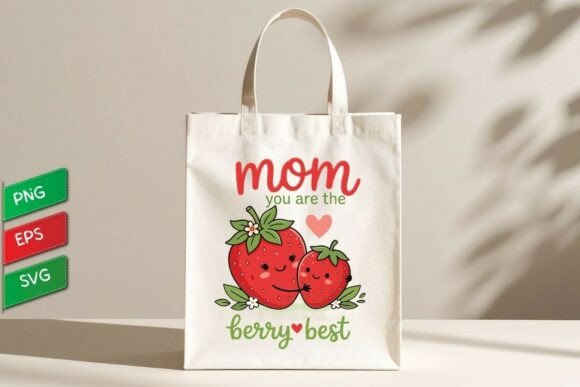
The visual personality here is undeniably kawaii. The concept relies on two strawberry characters sharing a warm hug, paired with playful typography. For an Etsy seller or a boutique owner looking to expand their holiday embroidery lineup, this hits the sweet spot between trendy and timeless. However, before you commit this to a client's heirloom blanket or a batch of custom apparel, we need to talk about how this actually stitches out.
First Impressions and Layout Dynamics
The charm of this Graphics asset lies in its simplicity. The strawberries are rounded and friendly, avoiding overly complex shading that often turns into a muddy mess when stitched with standard rayon or polyester threads. The layout suggests a central focus, making it ideal for chest logos on sweatshirt embroidery projects or the center panel of a tote bag.
What stands out immediately is the balance between the illustration and the text. In many poorly digitized files, the lettering gets lost or feels tacked on. Here, the phrase "Mom You Are The Berry Best" seems integrated into the composition. The mood is soft and affectionate, perfect for a personalized gift from a child to a mother. It avoids the stiff, corporate feel of some commercial designs, leaning instead into the handmade aesthetic that customers crave when buying from a small shop product line.
Real-World Application Scenarios
Let's move from theory to practice. Imagine you are preparing a custom order for a local daycare teacher appreciation event. You decide to use this design on a canvas tote bag design. The sturdy fabric of a tote provides the perfect foundation for the fill stitches likely used in the strawberry bodies. The result would be a durable, high-value item that feels substantial in the hand.
Alternatively, consider baby embroidery. Applying this to a onesie or a bib requires a different approach. The softness of the subject matter fits a nursery setting perfectly. However, because babies are messy, you must consider how the design handles frequent washing. If the stitch density is too high, the fabric might pucker after ten cycles in the laundry. If it is too low, the threads might snag. This is where your judgment as a designer comes in. Testing this on a scrap piece of the actual garment fabric is non-negotiable.
For those running a craft business, versatility is key. This design could easily become an embroidered patch if hooped correctly with a cutaway stabilizer, allowing customers to iron it onto denim jackets or hats later. It also works well as a focal point on kitchen towels, turning a standard household item into a thoughtful holiday gift.
Technical Considerations for Stitching
While the artwork is adorable, the transition from a digital image to a physical machine embroidery design involves technical hurdles. Here is what I look for when evaluating a file like this for real production:
- Stitch Density: Strawberry reds are vibrant, but if the fill stitch is too dense, the fruit will look like a solid plastic blob rather than a textured berry. You want enough coverage to hide the fabric, but enough space to let the threads breathe.
- Small Details: Check the seeds on the strawberries. In a low-resolution preview, they look fine. Under a microscope or close-up camera, are they individual satin columns or just noise? Tiny details often disappear on stretchy fabrics.
- Lettering Legibility: The font choice appears rounded and friendly. Ensure that the satin stitch width on the letters is wide enough to prevent breakage but narrow enough to maintain the font's character. Thin lettering on a towel loop can vanish entirely.
- Color Contrast: This design relies heavily on reds and greens. If you are stitching on a dark navy sweatshirt, ensure the green leaves pop. You may need to adjust the thread chart or add a white underlay if the original file doesn't account for dark garments.
Navigating Fabric Challenges
Not all fabrics play nice with every design. While this looks great on a stable cotton twill, using it on a thin, stretchy jersey knit requires caution. Without the proper stabilizer, the pulling force of the embroidery hoop can distort the strawberries, making them look lopsided. For caps or curved surfaces, the placement of the text relative to the brim is critical. If the text curves too sharply, it becomes hard to read.
If you plan to offer this as part of your T-Shirt Designs collection, remember that t-shirt fabric moves. A design with large, solid areas of stitching can feel stiff and uncomfortable against the skin. In this case, the smaller scale of the hugging strawberries is an advantage, keeping the stitch count manageable and the hand feel softer.
Maximizing Value and Customer Trust
In the world of commercial embroidery, consistency builds trust. If you sell this as a handmade product, the quality of the finish dictates your price point. A clean backside with minimal jump stitches shows professionalism. Customers might not see the back, but they will feel the difference in quality.
Using this design effectively can boost your brand recognition. It signals that you understand current trends (the fruit pun, the kawaii style) while maintaining technical excellence. Whether you are creating printable mockups for your online store or photographing the actual finished product for Instagram, the clarity of the stitches will determine engagement. Blurry details kill sales; crisp, well-defined edges drive them.
Final Verdict and Designer Notes
The Mom You Are the Berry Best Mother s Day design has strong potential for spring and early summer sales. It is versatile enough for custom apparel, home decor, and accessories. However, success depends on your preparation.
Before launching this in your shop, take these steps:
- Test on Scraps: Never run a new file on a final garment without a test stitch-out on similar fabric.
- Check Licensing: Confirm the terms of the digital embroidery file. Can you sell unlimited physical items? Are there restrictions on resale as a design asset?
- Review Hoop Size: Ensure the design fits your available hoops without needing excessive re-hooping, which can lead to alignment issues.
- Thread Selection: High-sheen rayon might make the strawberries look too glossy for a rustic look; matte polyester might be better for a modern, subdued vibe.
Ultimately, this design is a tool. Its value is unlocked by your skill in matching it to the right project. With careful attention to fabric choice and stabilization, it can become a bestseller in your craft business, bringing joy to mothers and adding a touch of whimsical love to your portfolio.